كتاب التحديات القانونية لتكنولوجيا المعلومات في عصر الذكاء الاصطناعي و التحول الرقمي
تسعى دول العالم في ظل التطور السريع الذى يشهده مجال تكنولوجيا المعلومات إلى المضي قدما في الاستثمار في تطبيقات الذكاء الاصطناعي، و أنترنت الأشياء (Internet of Things – IoT)، والحوسبة الكمية، و الروبوتات بغرض تحقيق التنمية المستدامة ،من خلال التوجه نحو إنشاء المدن الذكية
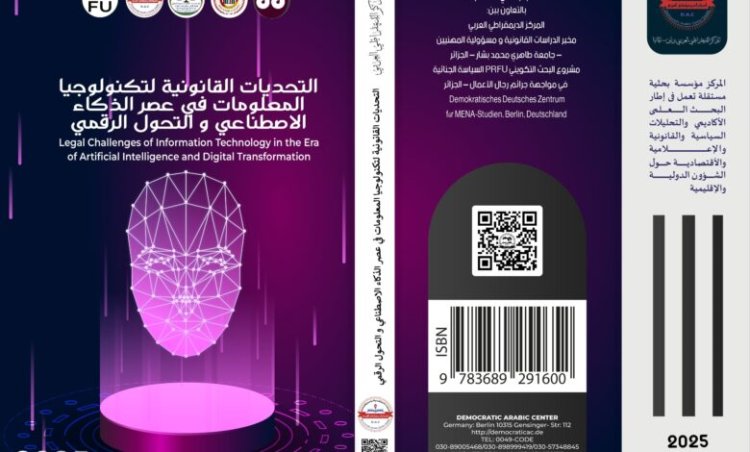
رابط التحميل أسفل التقديم:
مقدمة : –
تسعى دول العالم في ظل التطور السريع الذى يشهده مجال تكنولوجيا المعلومات إلى المضي قدما في الاستثمار في تطبيقات الذكاء الاصطناعي، و أنترنت الأشياء (Internet of Things – IoT)، والحوسبة الكمية، و الروبوتات بغرض تحقيق التنمية المستدامة ،من خلال التوجه نحو إنشاء المدن الذكية ،و الطاقة النظيفة و تشجيع الشباب على إنشاء مؤسسات ناشئة في مجال التكنولوجيا المالية و برامج الذكاء الاصطناعي ؛وعصرنة البنية التحتية لتكنولوجيا المعلومات، بهدف تجويد الخدمة العمومية المقدمة للمواطن.
ومما تجدر الإشارة إليه أن توظيف تكنولوجيا المعلومات يشمل جميع مناحي الحياة الاجتماعية و الاقتصادية و السياسية و الثقافية و التربية ،وبقدر ما وفرت تكنولوجيا المعلومات في عصرنا هذا من إيجابيات لا ينكرها إلا جاحد، خلفت أيضا مخاطر عديدة ومتعددة تهدد أمن و سلامة الإنسان و تمس بخصوصية لاسيما مع تفشي الهجمات السيبرانية و النصب و الاحتيال عبر البيئة الرقمية.
و القاعدة القانونية اجتماعية بمعني أنها مرنة ومتطورة، فهي بنت بيئتها الاجتماعية من حيث المكان و الزمان، حيث أنها تتطور في نطاق البيئة الاجتماعية؛ وهذا ما يجعل منها مرآة تعكس الضمير العام للمجتمع؛ لذا فلابد من مسايرة التطور السريع لتكنولوجيا المعلومات في عصر الذكاء الاصطناعي و التحول الرقمي بذكاء تشريعي للاعتراف بالشخصية القانونية لتقنيات الذكاء الاصطناعي و تحديد المسؤولية القانونية المترتبة عليها.
Abstract
In light of the rapid development taking place in the field of information technology, countries around the world are striving to invest in applications of Artificial Intelligence (AI), the Internet of Things (IoT), quantum computing, and robotics, with the aim of achieving sustainable development. This is pursued through initiatives such as the establishment of smart cities, the promotion of clean energy, and the encouragement of young people to create start-ups in the fields of financial technology and artificial intelligence, as well as the modernization of information technology infrastructure in order to enhance the quality of public services provided to citizens.
It is worth noting that the use of information technology extends to all aspects of social, economic, political, cultural, and educational life. While information technology in our time has offered undeniable advantages, it has also brought with it numerous risks that threaten human security and privacy, particularly with the spread of cyberattacks, fraud, and digital scams.
The legal rule is social in nature, meaning that it is flexible and evolving—it is the product of its social environment in terms of time and place, reflecting the collective conscience of society. Therefore, it is necessary to keep pace with the rapid evolution of information technology in the age of artificial intelligence and digital transformation through intelligent legislation that recognizes the legal personality of AI technologies and defines the legal responsibilities arising therefrom.
للاطلاع والتحميل
What's Your Reaction?